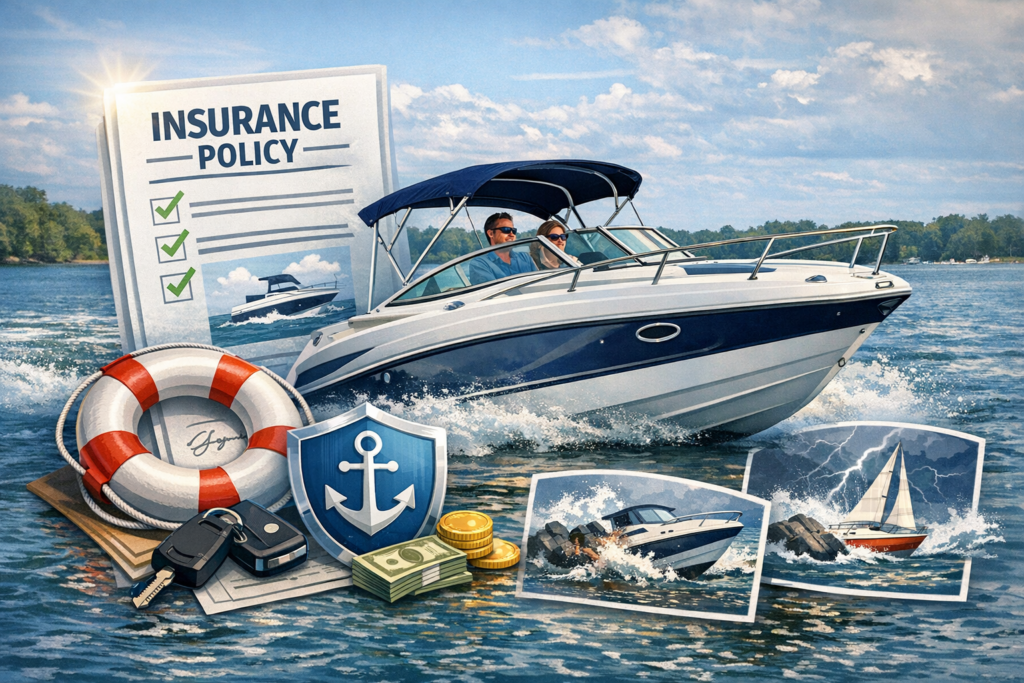
Shopping for boat insurance can seem overwhelming at first. However, understanding the different types of coverage available can help you make better decisions and even convert your insurance purchasing experience into real savings. By learning how various policies work and what options matter most, you can confidently protect your investment and keep your boating adventures worry-free.
Understanding the Basics of Boat Insurance Coverage
Boat insurance serves as a safety net for boat owners. For instance, it protects you from financial loss in the event of accidents, theft, or damage. Although policies can vary significantly, most start with a foundation of basic coverage options. Typically, these basics include physical damage, liability, and medical payments. With a clear understanding of these elements, you lay the groundwork for smarter shopping.
Many standard policies cover damages caused by events such as fire, sinking, storms, or collisions. Additionally, your policy might offer replacement or repair costs depending on your plan's terms. Always consider your boat’s value and how much coverage you truly need. By reviewing these details, you ensure that you only pay for coverage that matches your situation. Effective boat insurance begins with knowing exactly what you are protecting.
Consider the types of boats you own and how you use them. A policy for a fishing boat may differ from one designed for a luxury yacht or a personal watercraft. Understanding these distinctions allows you to compare apples to apples when gathering quotes. As a result, you avoid overpaying for unnecessary features. Ultimately, clear knowledge of boat insurance basics empowers you to focus on savings right from the start.
Exploring Liability Protection for Boat Owners
Liability protection stands as one of the most critical components of boat insurance. Accidents on the water can lead to injury or property damage, making liability coverage essential. For example, if you collide with another vessel or damage a dock, liability insurance can help cover legal and repair costs. Since lawsuits and damages can be costly, having adequate liability protection keeps your finances secure.
Different policies offer varying levels of liability coverage. Some may include protection for bodily injury, while others go further and handle property damage claims. Before choosing a plan, always review the liability limits and what scenarios are included. Greater coverage usually means a higher premium, but it can save you money in the event of a major mishap. By comparing these features, you can find a balance between cost and protection.
Many boat owners believe that small boats or infrequent trips mean low risk. However, accidents can happen anytime, often when least expected. Comprehensive liability protection ensures you are covered no matter the circumstances. With peace of mind, you can enjoy your time on the water without fear of unexpected expenses. Always prioritize liability when shopping for insurance, as it forms the cornerstone of financial security.
Comprehensive vs. Collision: What You Need to Know
Boat insurance often includes two primary types of physical damage coverage: comprehensive and collision. Comprehensive coverage pays for losses not caused by collisions, such as theft, vandalism, or natural disasters. Collision coverage, on the other hand, handles damages from accidents involving another boat or object. By understanding these differences, you can tailor your policy to your specific needs and save money.
Some boat owners may not need both types of coverage. For instance, if you store your boat in a secure marina and take it out only occasionally, comprehensive coverage might suffice. Conversely, frequent boaters who navigate busy waterways may benefit from both comprehensive and collision protection. Assess how and where you use your boat to determine the right mix of coverage. Thoughtful choices allow you to avoid unnecessary premiums.
Always ask your insurer about policy exclusions and deductibles. A low premium may come with high out-of-pocket costs when you file a claim. By comparing several plans and understanding the pros and cons of each, you can find the right balance. This approach ensures you are not over-insured or under-protected. Informed decisions here can lead directly to meaningful savings on your insurance bill.
Special Add-ons That Can Enhance Your Policy
Boat insurance policies often offer a variety of special add-ons or endorsements. These extras can provide valuable protection beyond basic coverage. For example, you might consider coverage for fishing equipment, personal items, or towing assistance. Each add-on addresses a specific risk that standard policies may not include. By selecting only the add-ons you need, you can avoid paying for unnecessary extras.
Some boaters may require coverage for on-water emergencies such as fuel delivery, jump starts, or towing. Others may find value in coverage for trailers or transport between locations. Specialized add-ons can also protect you from uninsured boaters or help cover the cost of environmental cleanup after an accident. Always review the offerings from various insurers to see which options best match your boating lifestyle.
Remember that every add-on increases your premium, so weigh the benefits carefully. Not all boat owners need every additional feature. Focus on the risks most relevant to your boating habits and equipment. By customizing your policy in this way, you not only improve your protection but also avoid unnecessary costs. Smart selection of add-ons helps convert thoughtful shopping into real long-term savings.
Tips to Shop Smart and Save on Boat Insurance
Shopping for boat insurance does not have to be complicated. Start by gathering quotes from several reputable insurers. Make sure to compare not only the prices but also the coverage details and exclusions. Always ask about available discounts, such as those for boating safety courses, multiple policies, or secure storage. These discounts can add up and significantly reduce your premium.
Consider reviewing your policy annually to keep your coverage up to date. Many factors can change, such as the value of your boat or your boating habits. By staying proactive, you ensure your policy still matches your needs and budget. Additionally, maintain a good boating record, as insurers often reward safe operators with better rates. Responsible boating can lead to lower insurance costs over time.
Be honest about how and where you use your boat. Clearly communicating these details helps your insurer tailor the policy to your exact situation. Avoid overestimating the value of your boat or underreporting risks, as these mistakes can hurt you during a claim. With careful research and honest communication, you maximize your chances of savings. Smart shoppers always leave room to negotiate and ask questions before making a decision.
Conclusion
Choosing the right boat insurance does not just protect your vessel; it also helps you save money if you approach the process thoughtfully. By understanding the types of coverage available, you can avoid paying for extras you may never use. At the same time, taking the time to compare policies and consider your true risks can prevent costly surprises down the line. Shopping smart means asking questions, reviewing your policy regularly, and taking advantage of discounts. The more informed you are, the easier it becomes to balance coverage with cost. Always remember to consider your unique boating habits and equipment when making choices.